Multi-Feature
ShaftsTurned + milled + drilled features

Review Swiss turning, CNC machining, gear manufacturing, secondary operations and finishing routes.
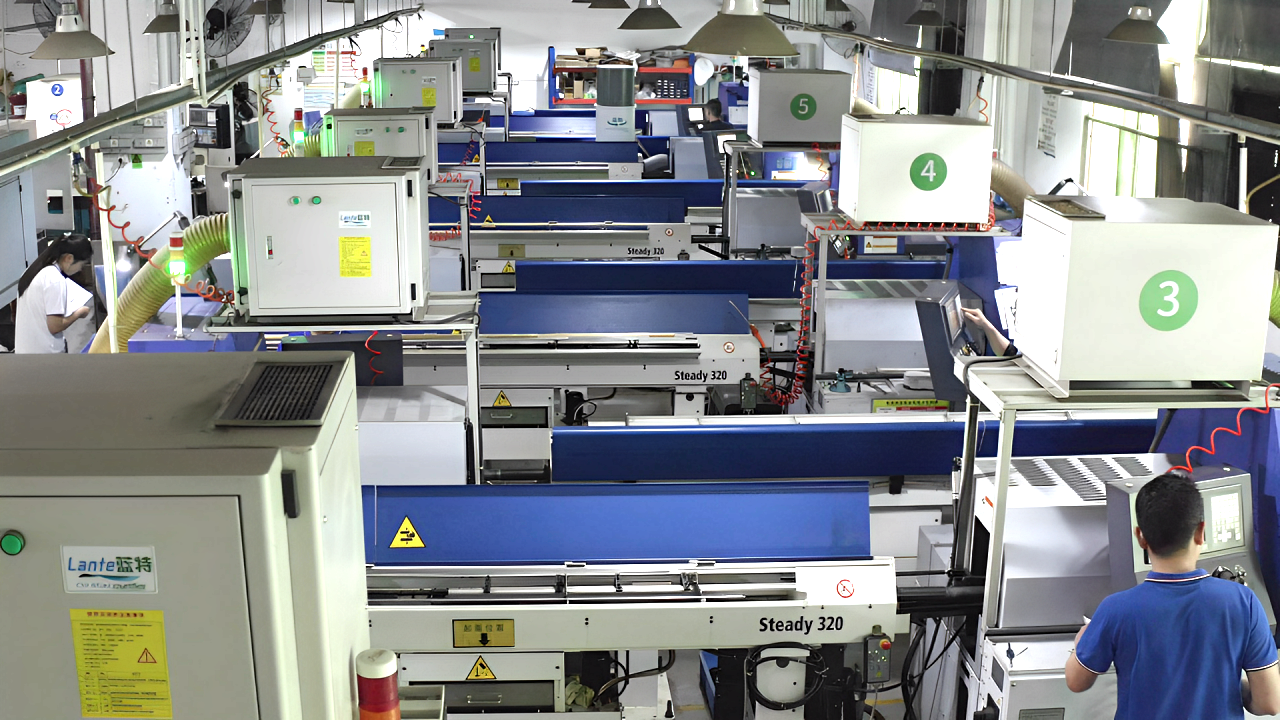 Core Machining
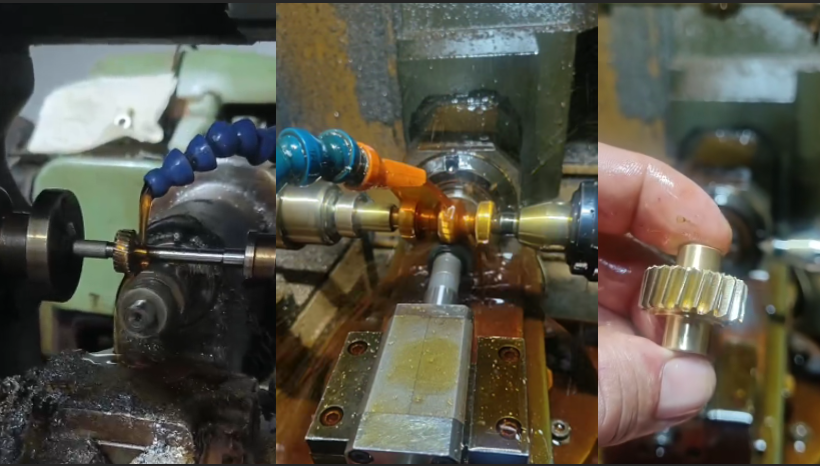 Specialized Manufacturing
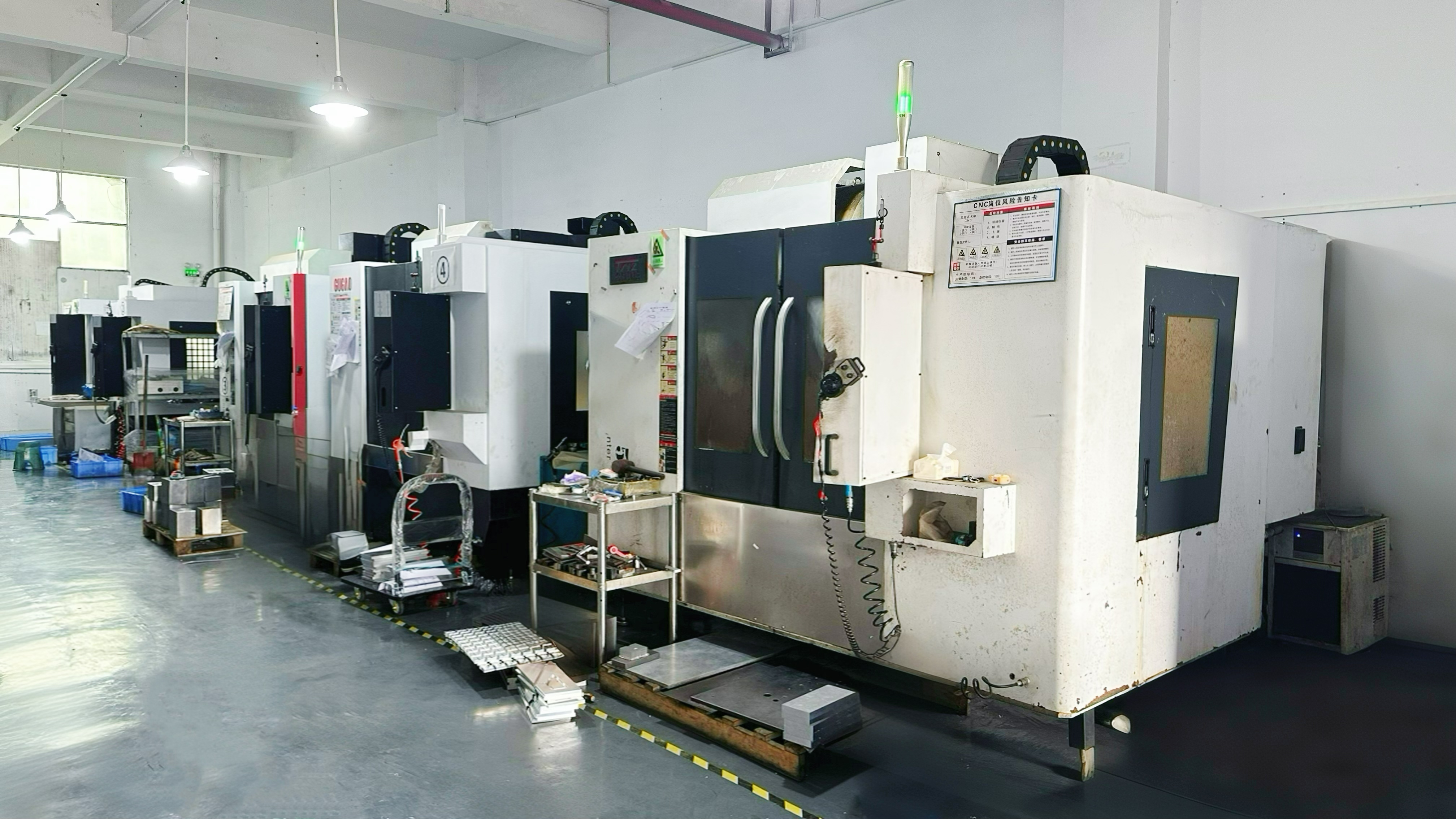 Post-Machining
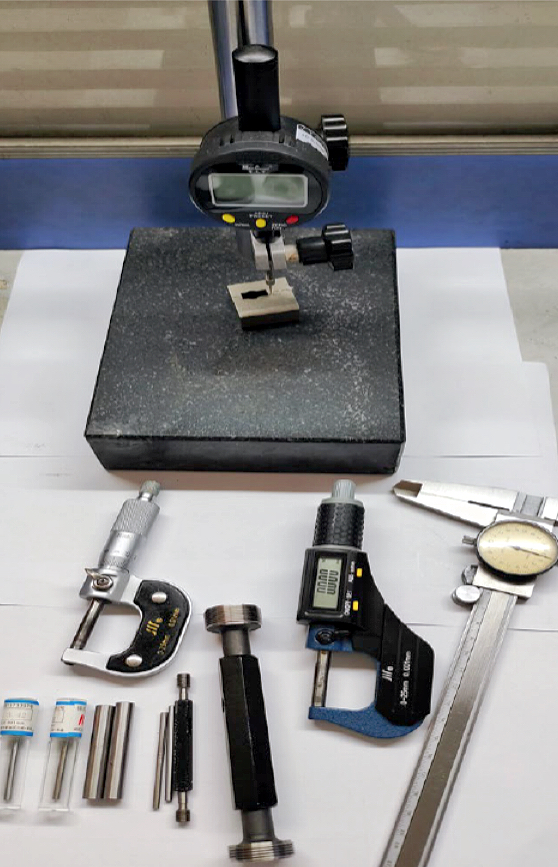 Quality Control
Turning and Milling in One Setup for Maximum Accuracy
Zhuocheng provides CNC turn-mill machining for parts requiring both turned and milled features. By combining operations in a single setup, we reduce handling, improve positional accuracy between features and produce complex multi-feature parts efficiently — all to customer drawings.
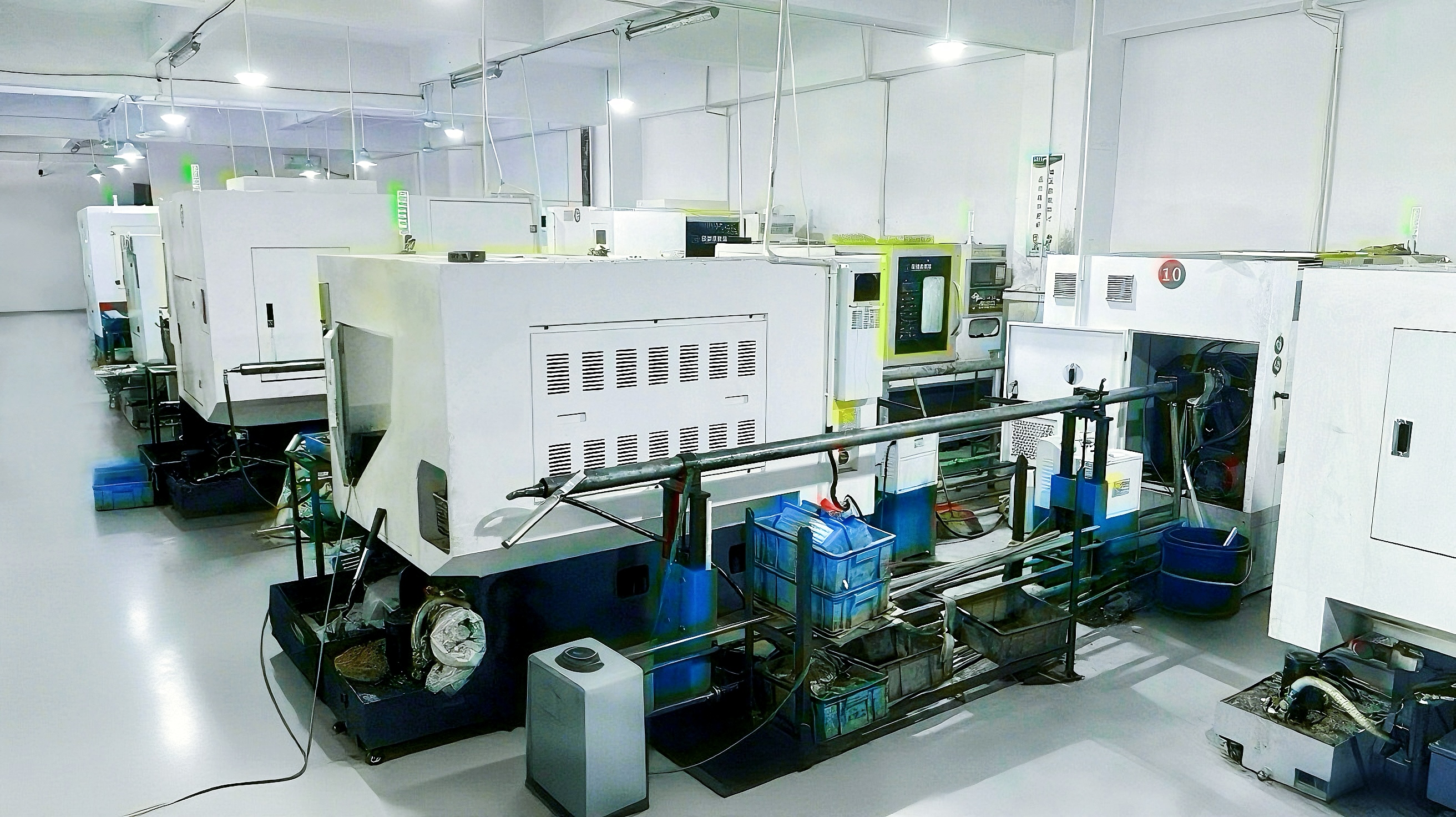
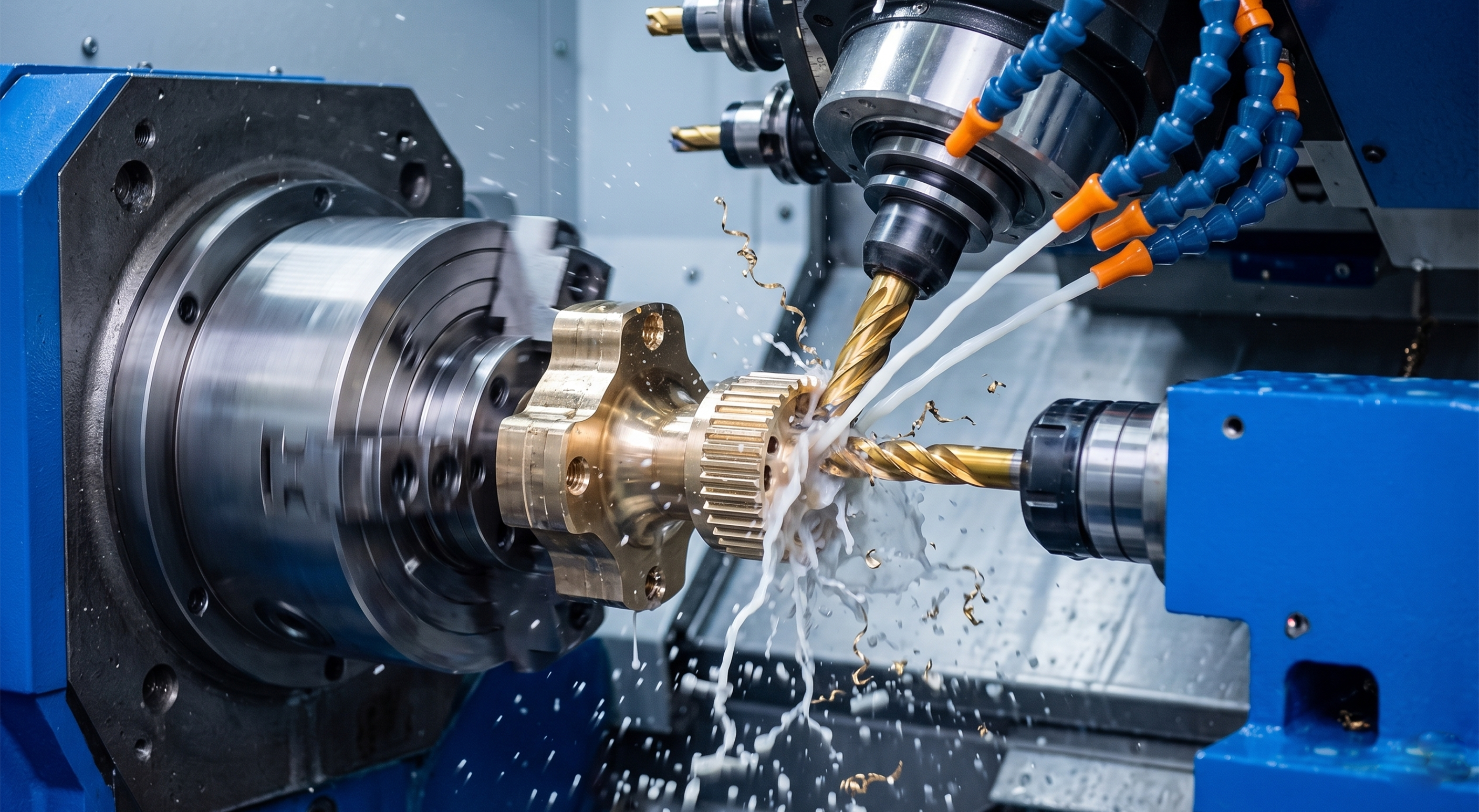
Understanding when and why to choose cnc turn-mill for your parts.

Turning, milling, drilling and tapping completed in one setup — reducing handling and improving positional accuracy.

Complex parts with turned OD, milled flats, drilled holes and threaded features produced efficiently.

Drawings reviewed for manufacturability, feature access and process optimization before production.
Key characteristics that indicate this process is the right fit for your part.
Turned + milled + drilled features
Turning + milling in one setup
Internal + external geometry
Feature-to-feature control
Real parameters from our confirmed production range — not placeholder values.
* Actual achievable tolerance and surface finish depend on material, geometry, drawing requirements and machining process.
Product families and component types we produce with this process — made to customer drawings.
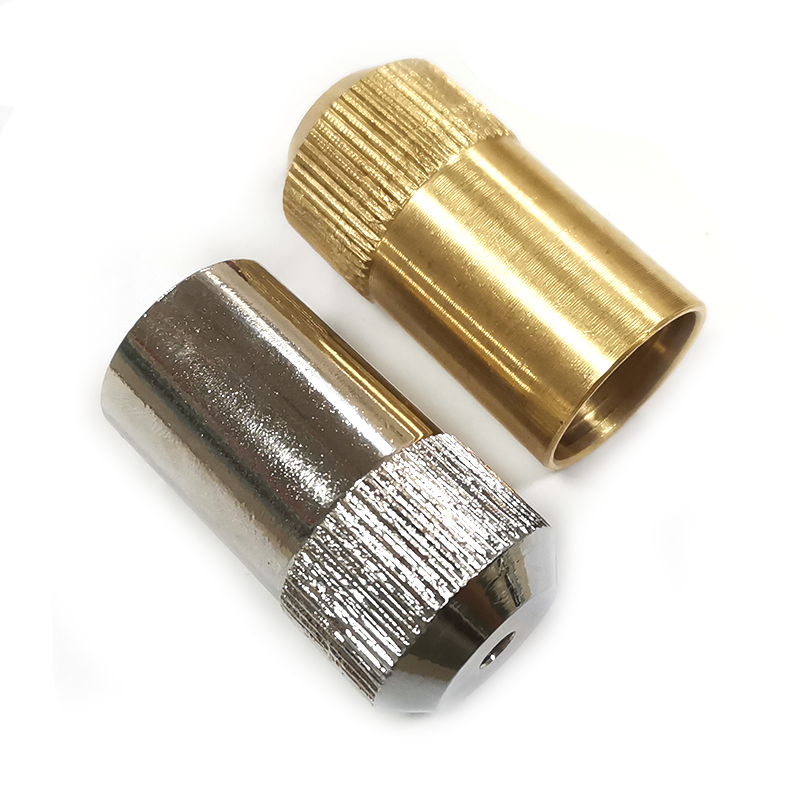
Shafts with turned, milled, drilled and threaded features in one component.
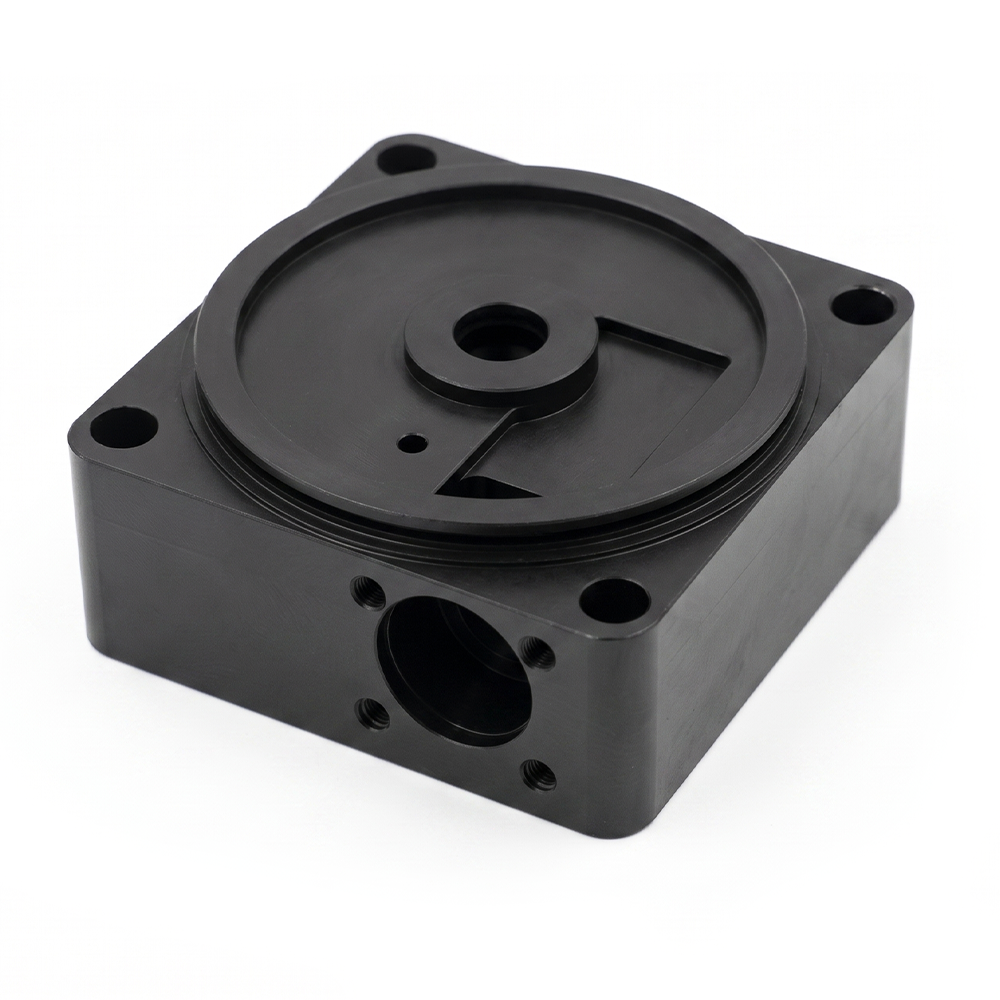
Housings requiring both turning and milling operations for complete geometry.
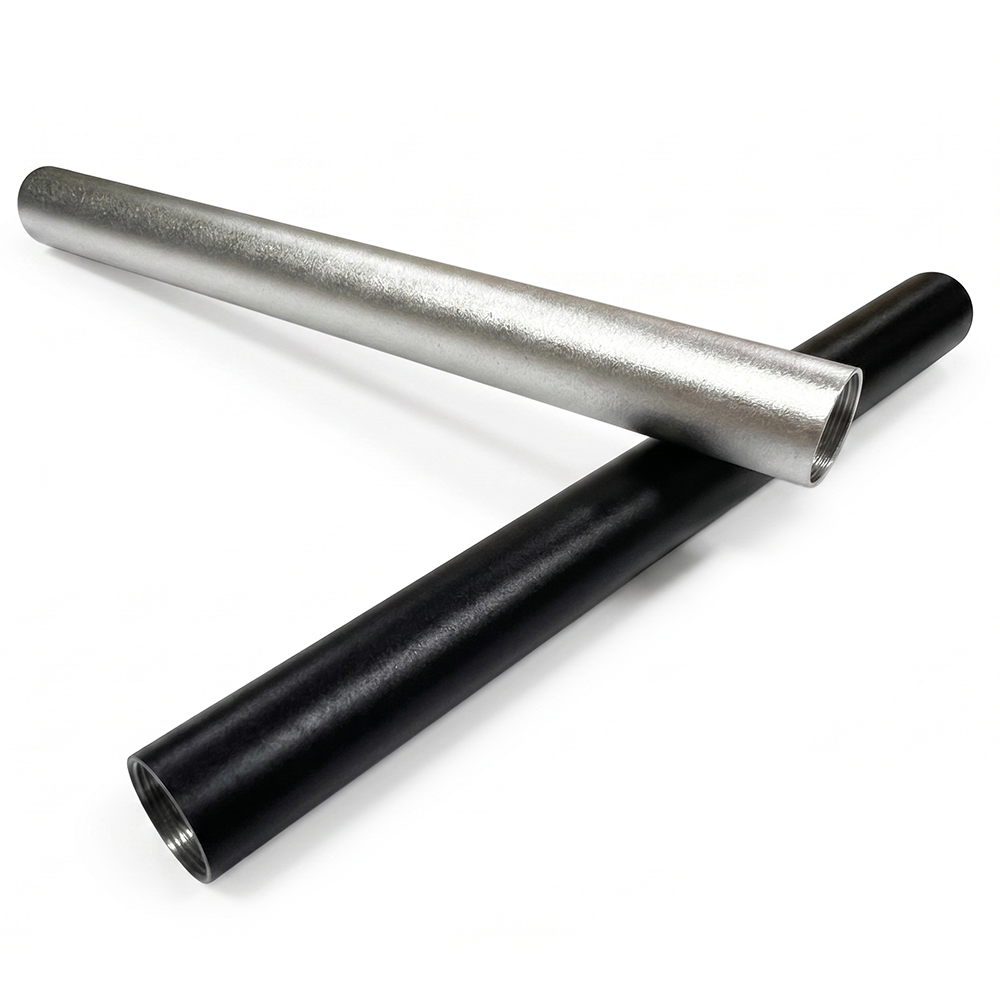
Valve bodies, spools and fittings with internal features and external geometry.
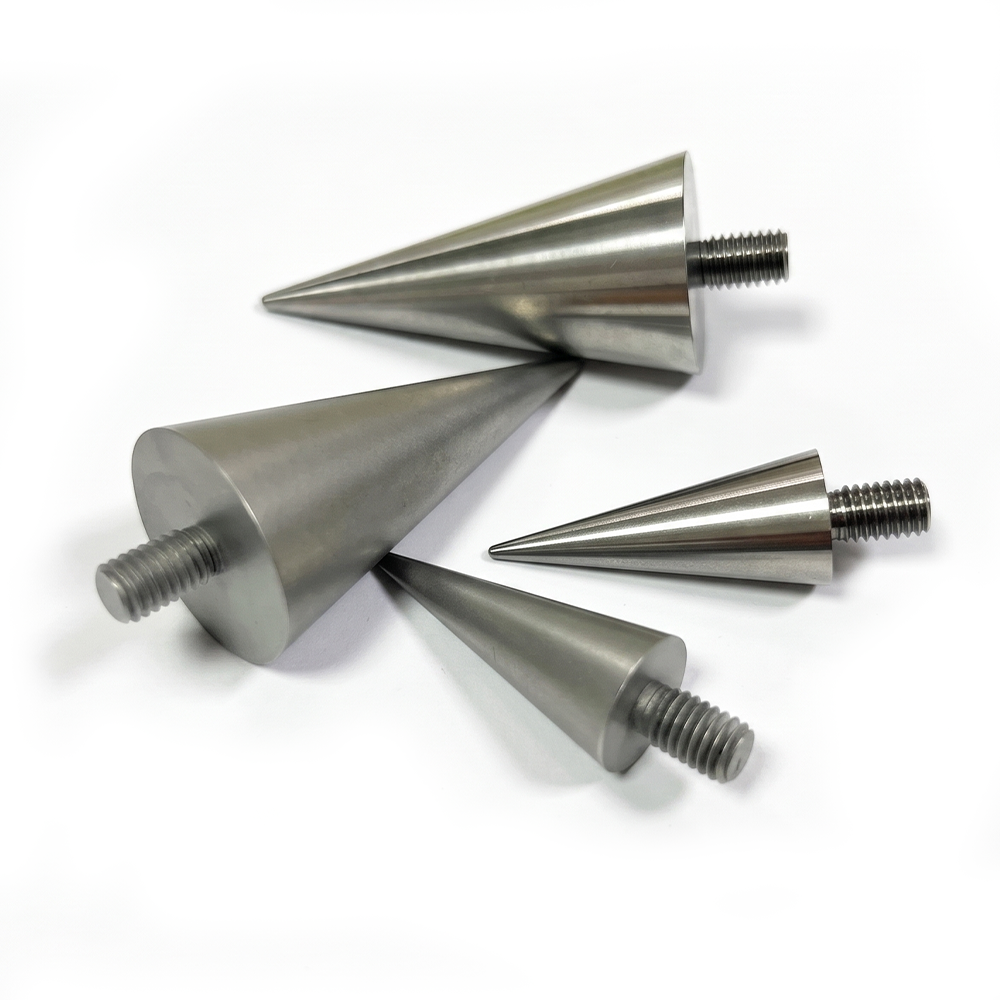
Actuator housings, pistons and drive components with multi-axis features.
Secondary and in-process features available within this manufacturing route.
Flat milling, slot milling and profile milling on turned parts.
Cross-drilling, axial drilling and multi-angle hole features.
Internal threaded features with standard or custom thread profiles.
Precision boring for internal diameter control.
External and internal thread turning.
Precision grooves, O-ring grooves and retention features.
Common materials we routinely machine for this process.
303 / 304 / 316 / 17-4 PH
1045 / 4140 / 4340
6061 / 7075
C3604 / C93200
Grade 5
Other materials available based on drawing and application requirements.
An anonymized example showing how this process solves a real manufacturing challenge.
Every precision part goes through a structured quality control process — not just final inspection.
Material and certificate verification
Critical dimensions and features checked
Process stability and critical dimensions
Final dimensional and appearance checks
Inspection Equipment: CMM · Optical Measurement · Micrometers · Thread Gauges · Roughness Tester
Turn-mill completes turning, milling, drilling and tapping in one setup, reducing handling between operations and improving positional accuracy between features.
Typical turning diameter is Ø10–200 mm with machining length up to 500 mm.
Yes. Turn-mill centers can produce parts with turned OD, milled flats, drilled cross-holes, internal threads and other complex features.
Typical tolerance is ±0.01 mm, drawing-dependent. Tighter tolerances may be achievable depending on geometry and material.
Send us your drawing, material and quantity. Our engineering team will review the part and recommend the appropriate turn-mill process.