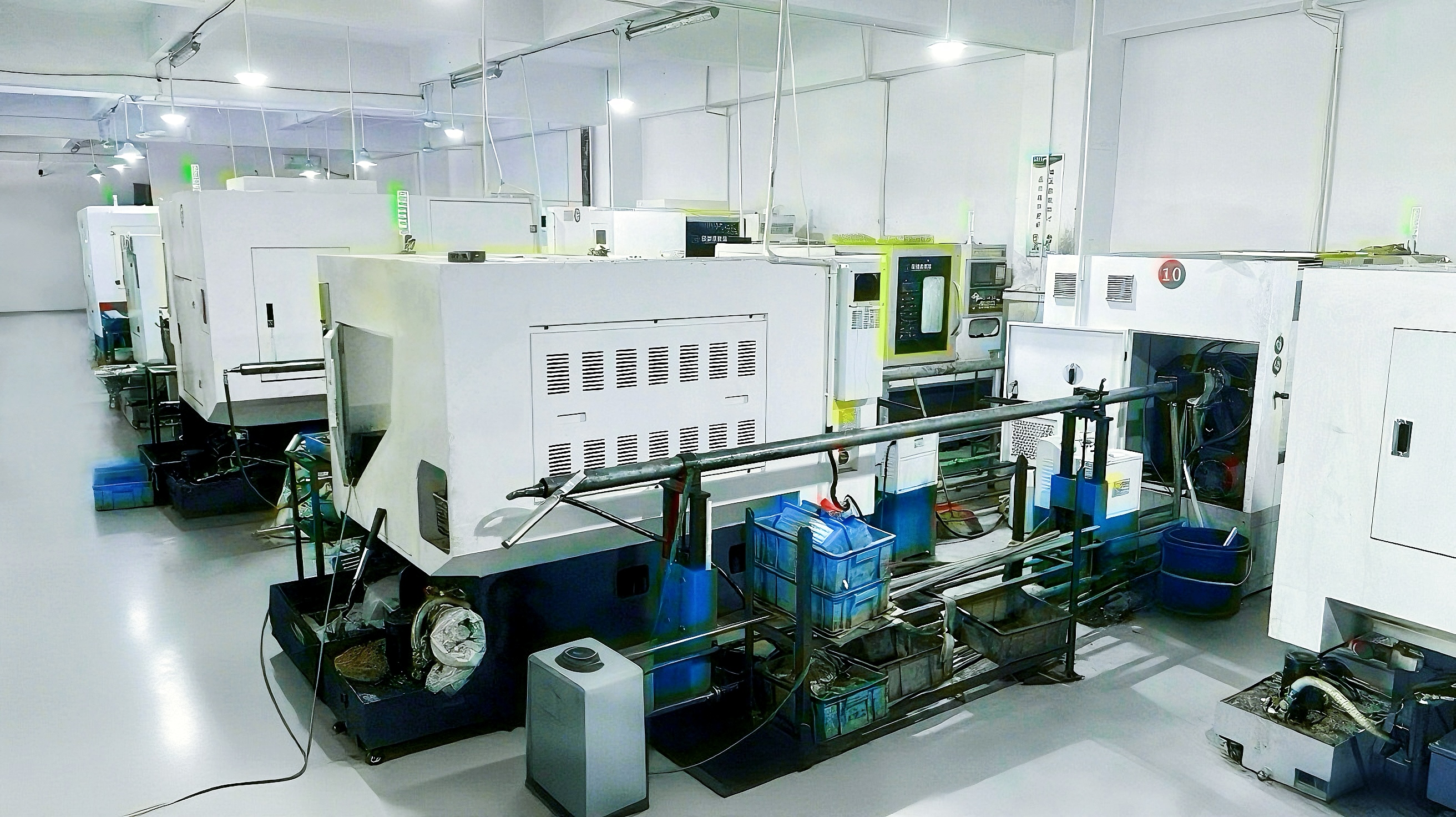
Small
Diameter PartsØ3–32 mm typical bar range

Review Swiss turning, CNC machining, gear manufacturing, secondary operations and finishing routes.
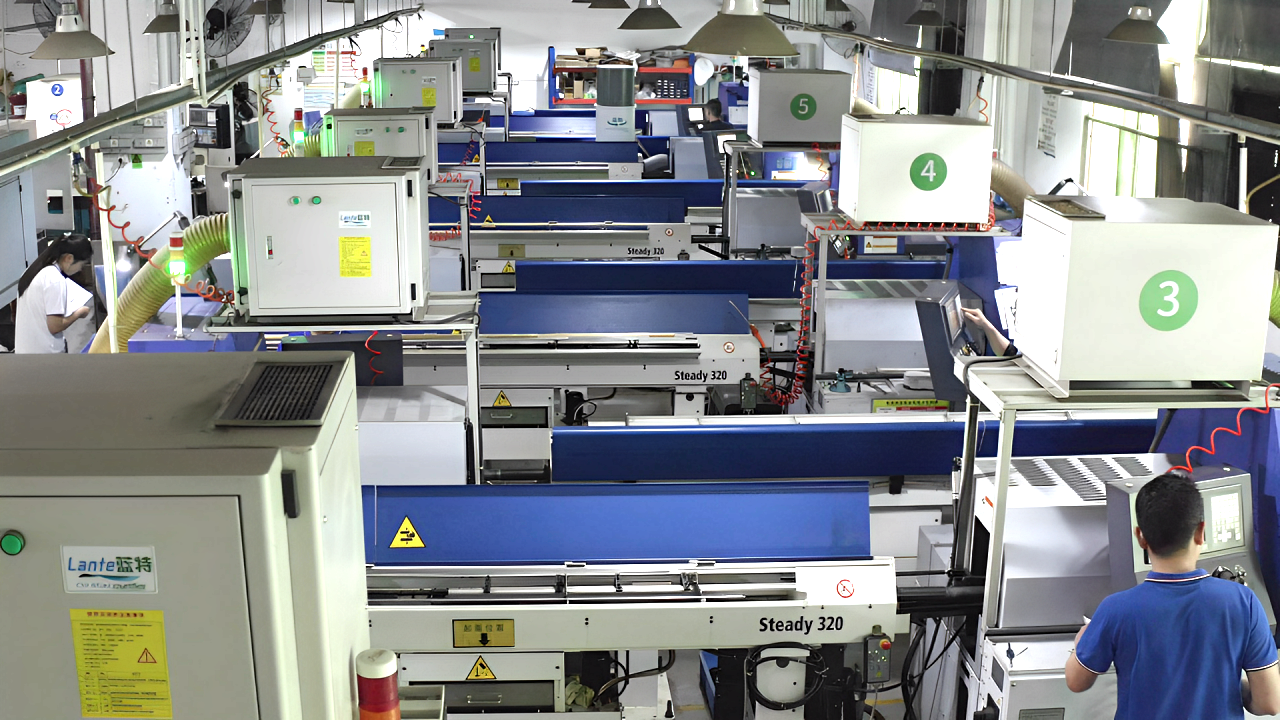 Core Machining
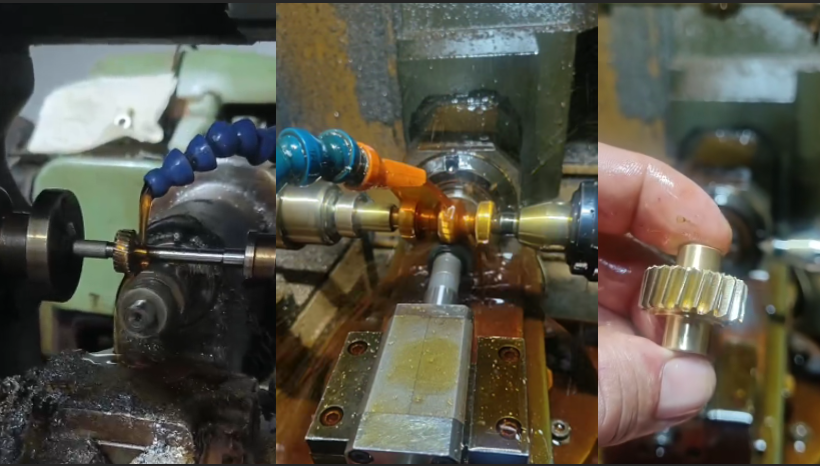 Specialized Manufacturing
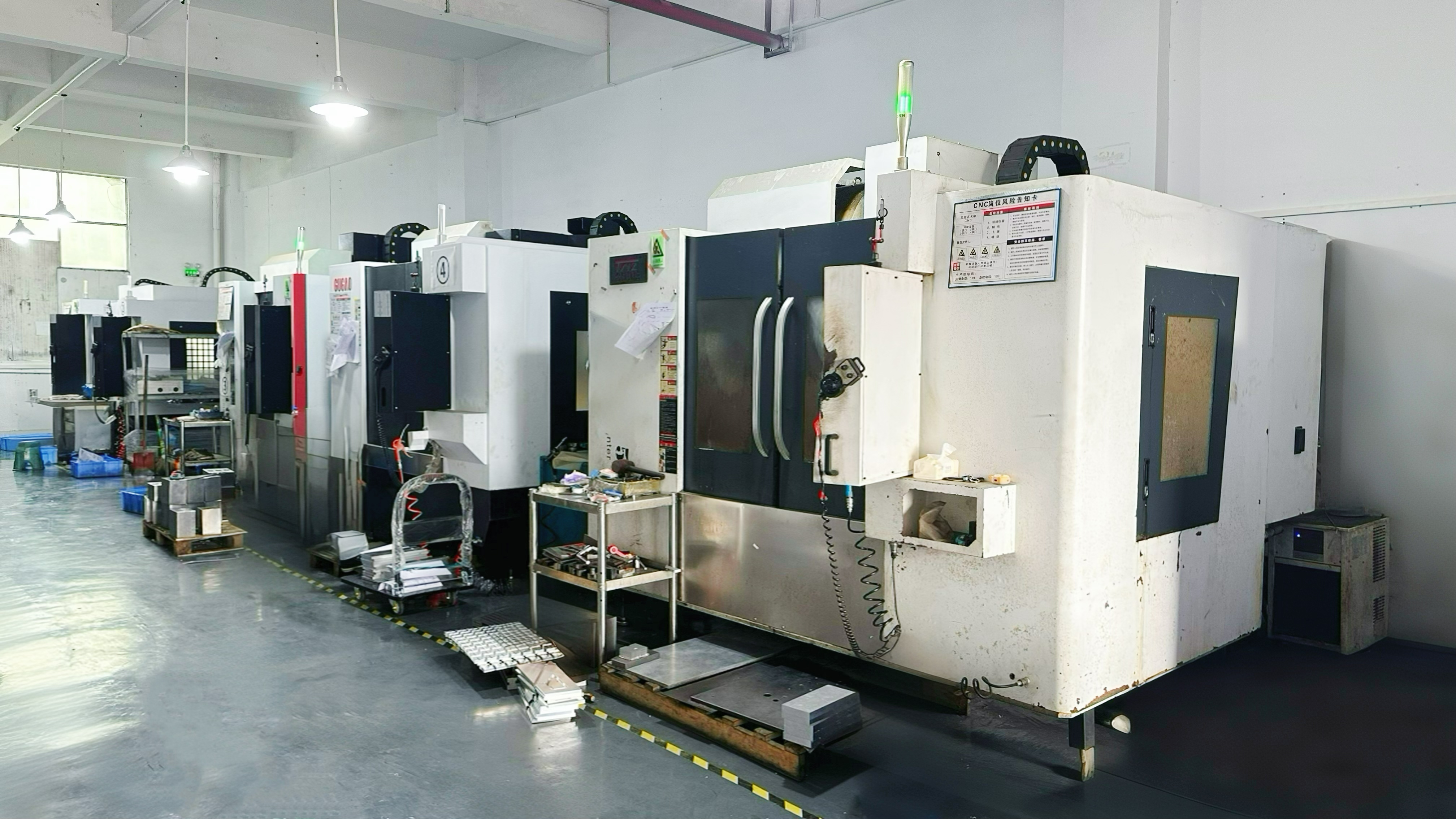 Post-Machining
 Quality Control
High-Precision Machining for Small, Complex Components
Zhuocheng specializes in Swiss-type CNC turning for small-diameter, high-precision components requiring tight dimensional control, complex features and stable repeat production. From precision shafts and pins to adapter fittings, sleeves and threaded components, our equipment and process control are built for consistent production.
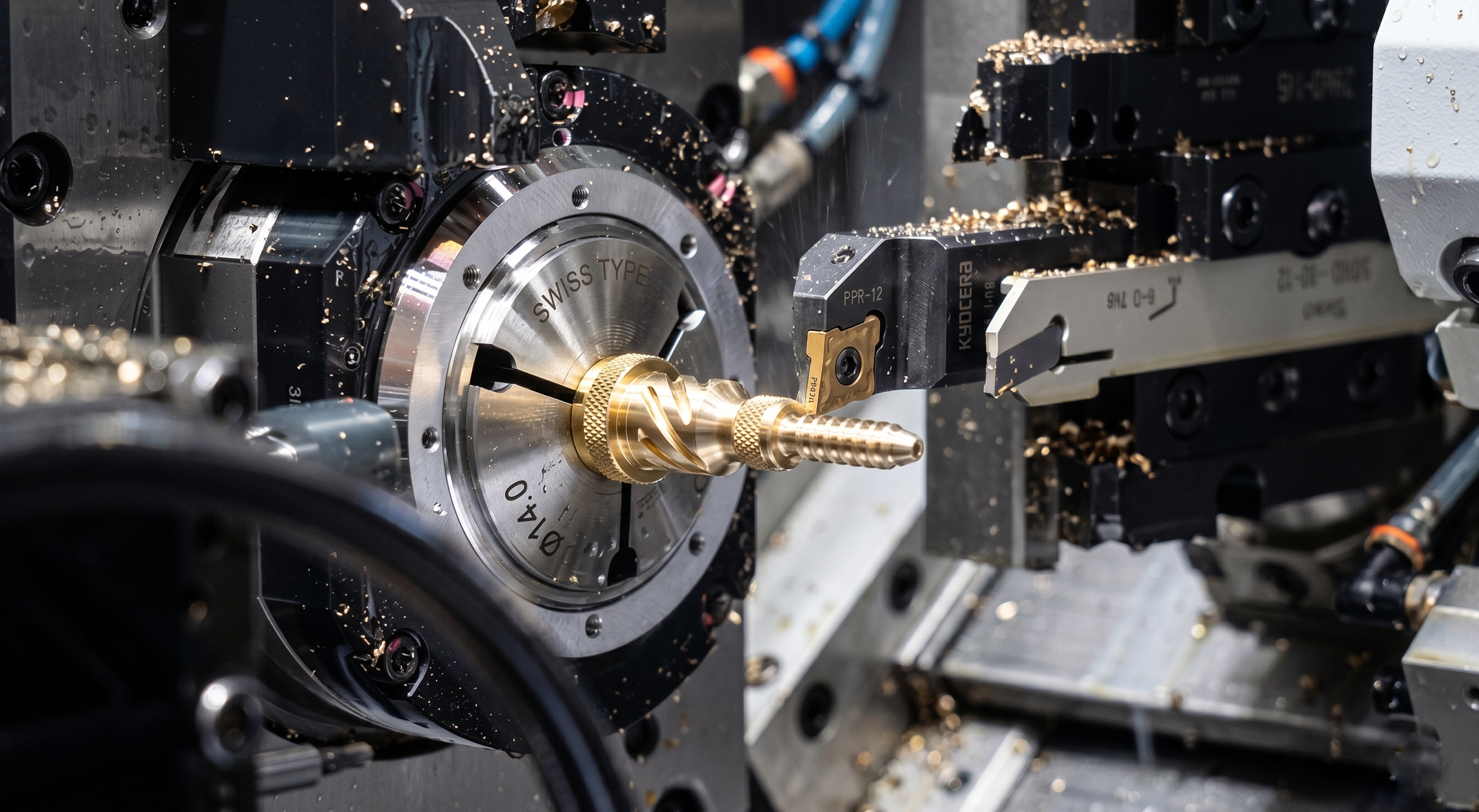
Swiss-type CNC turning is not just another machining process. It is purpose-built for the parts that conventional turning struggles with.

Guide-bushing support near the cutting zone helps reduce deflection when machining long, small-diameter components — maintaining concentricity and dimensional stability.

Turning, drilling, threading, grooving and other operations can be combined in one machining route — reducing handling and improving feature-to-feature accuracy.

Stable processes, consistent tooling and bar-feed capability make Swiss CNC turning suitable for high-volume precision components with repeatable quality.
Not every part needs Swiss turning. But when these characteristics are present, Swiss CNC is often the best process choice.
Ø3–32 mm typical bar range
High length-to-diameter ratios
Threads · Grooves · Shoulders · Cross Holes
Concentricity · Dimensional Control · Repeatability
Real parameters from our confirmed production range — not placeholder values.
* Actual achievable tolerance and surface finish depend on material, geometry, drawing requirements and machining process.
These are the product families we produce on Swiss-type CNC machines — all made to customer drawings.
Stepped shafts, precision pins, guide pins, motor shafts and custom small-diameter components.
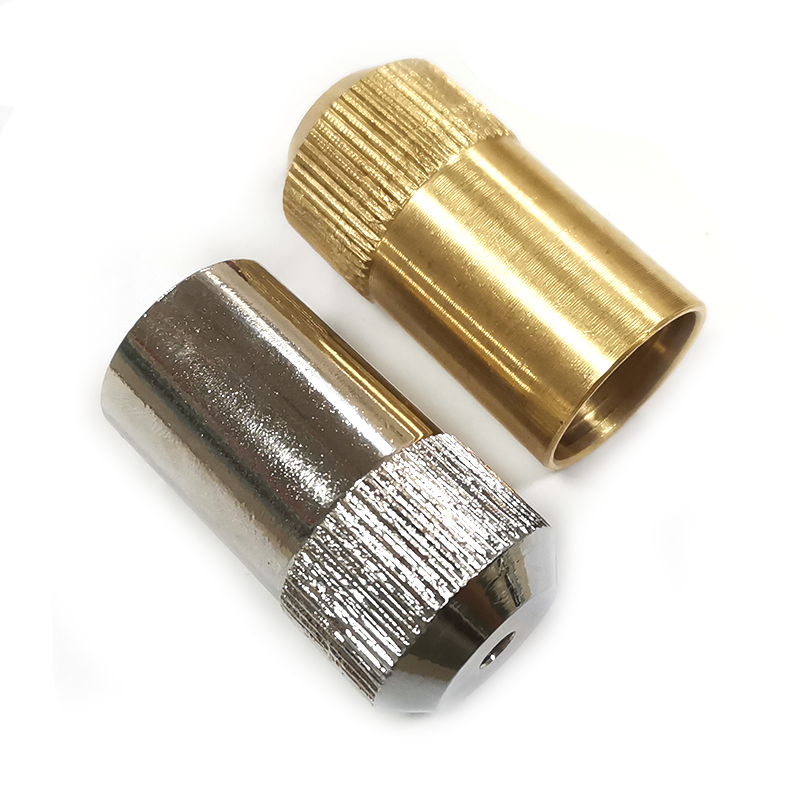
Adapters, hose fittings, threaded connectors and other precision turned connection components.
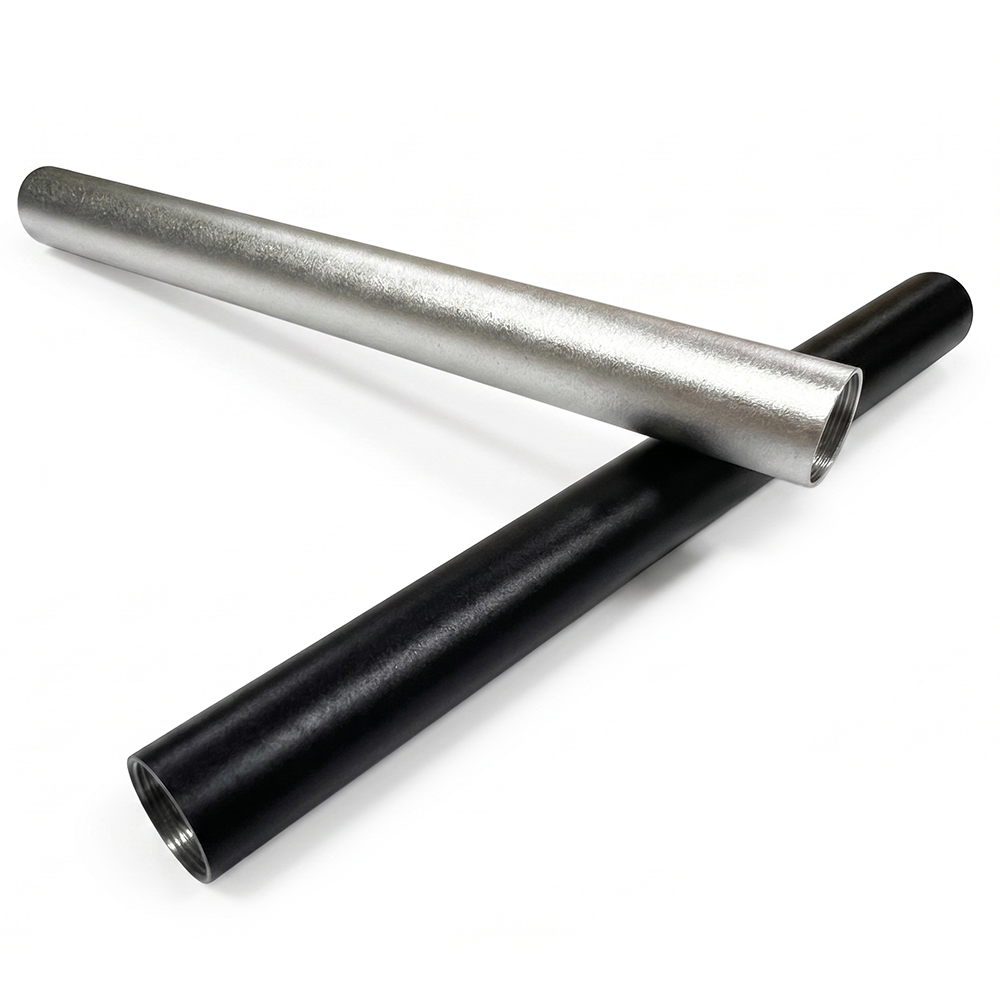
Bushings, spacers, sleeves and rings with controlled ID/OD relationships.
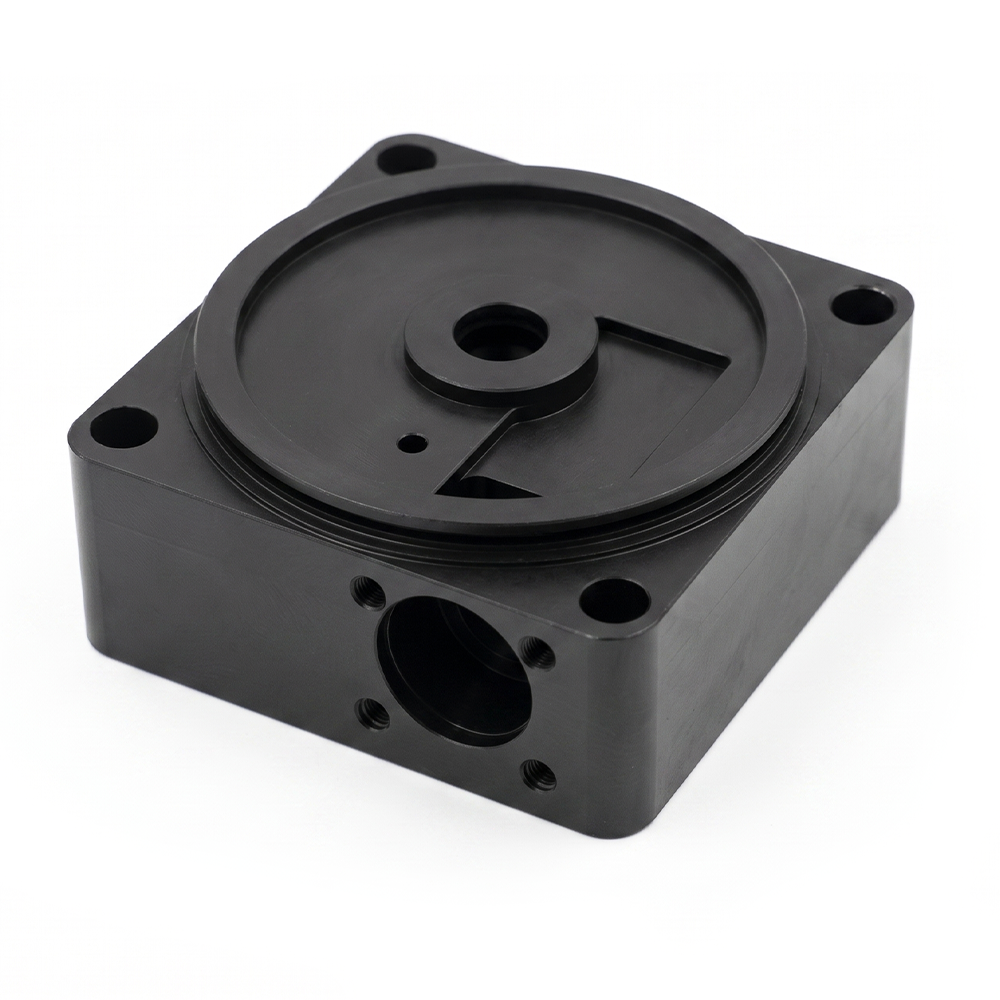
Complex small turned components manufactured to customer drawings with multi-feature capability.
Our Swiss-type machines are equipped with live tooling — enabling multiple operations in a single setup, reducing handling and improving feature accuracy.
External and internal threads — metric, UNF, UNC, BSP, NPT and custom profiles.
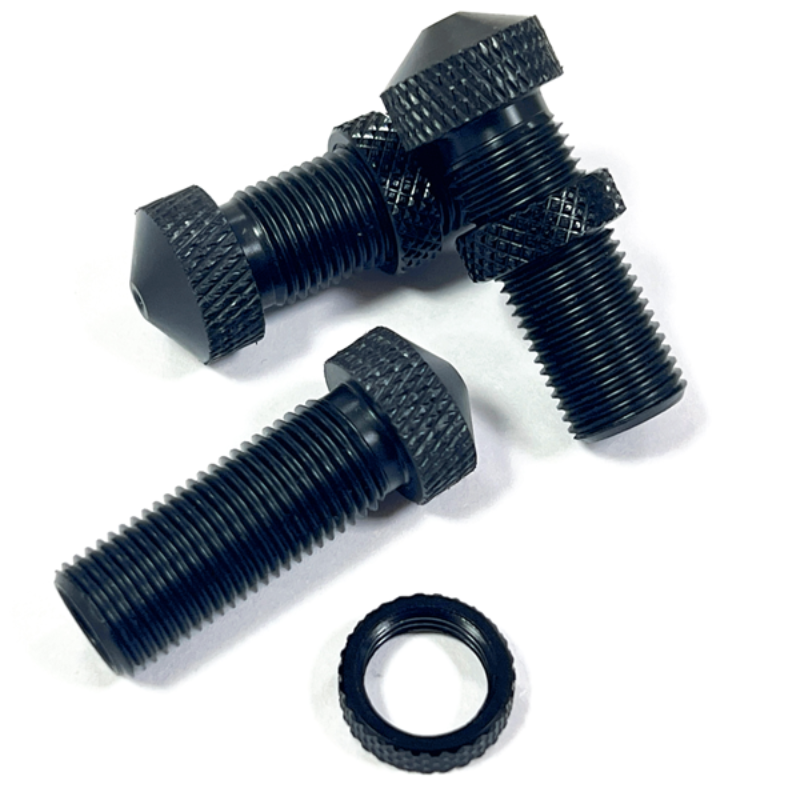
Functional and cosmetic knurling for grip, positioning and assembly features.
Axial and cross drilling for lubrication, pin and assembly features.
Precision grooves, O-ring grooves and retention features.
Internal threaded features with standard or custom thread profiles.
Slotting, deburring, back-working and other post-machining features per drawing.
Common materials we routinely machine on Swiss-type CNC equipment.
303 · 304 · 316
C3604 · C110 · Copper Alloys
6061 · 7075
Carbon Steel · Alloy Steel
POM · PEEK · Nylon
Other materials available based on drawing and application requirements.
Swiss CNC and conventional CNC turning each have their strengths. Here is a practical comparison to help determine the right process for your part.
Choose Swiss CNC when small diameter, slender geometry, complex features or high-volume precision production are critical. Choose conventional CNC turning for larger diameters and non-slender geometries.
An anonymized example showing how Swiss CNC turning solves a real manufacturing challenge.
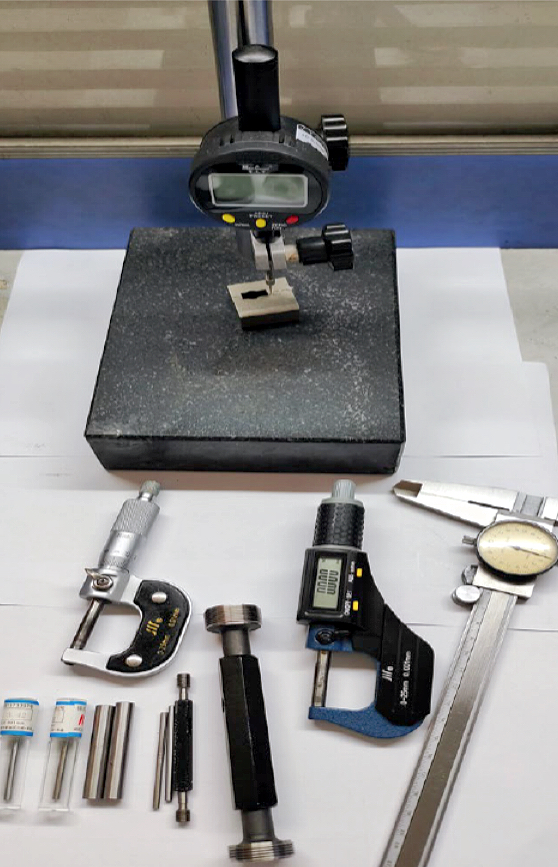
Every Swiss turned part goes through a structured quality control process — not just final inspection.
Material and certificate verification
Critical dimensions and features checked
Process stability and critical dimensions
Final dimensional and appearance checks
Inspection Equipment: CMM · Optical Measurement · Micrometers · Thread Gauges · Roughness Tester
Swiss-type CNC turning is a machining process where the bar stock is fed through a guide bushing close to the cutting zone. This provides continuous support for the material, making it especially suitable for small-diameter, long and slender precision components.
Choose Swiss CNC when your part has a small diameter (typically Ø3–32 mm), a high length-to-diameter ratio, complex turned features (threads, grooves, cross-holes), or requires high-volume precision production. For larger diameters or non-slender parts, conventional CNC turning may be more appropriate.
Our typical bar diameter range is Ø3–32 mm with machining length up to 300 mm. For diameters outside this range, please send the drawing for engineering review — we also have conventional CNC turning capacity for larger parts.
Yes. Our Swiss-type machines are equipped with live tooling that enables threading (external and internal), knurling, cross-drilling, milling and tapping — all in a single setup, improving feature-to-feature accuracy.
We routinely machine stainless steel (303/304/316), brass (C3604), aluminum (6061/7075), carbon steel, alloy steel and engineering plastics (POM, PEEK, Nylon). Other materials can be reviewed based on your drawing.
Yes. We support everything from single-piece prototypes for design validation through pilot batches and long-term mass production. Bar-feed capability makes Swiss CNC particularly efficient for repeat production of small precision parts.
Yes. Concentricity, diameter control and critical dimensions are inspected using CMM, optical measurement, micrometers and thread gauges. First Article Inspection (FAI) is standard before production proceeds.
Yes. Secondary operations like deburring, cleaning and surface finishing (plating, anodizing, passivation, polishing) are available. For Swiss turned parts, most secondary machining features (threading, knurling, cross-drilling) are completed in the same setup.
Send the drawing, material, quantity and critical tolerances. Engineering will confirm whether Swiss CNC is the best process route.