
What Is Swiss CNC Machining and When Should You Use It?
Learn when Swiss-type CNC turning is the right route for slender, miniature and multi-feature precision parts — and what to include in your RFQ.
Overview
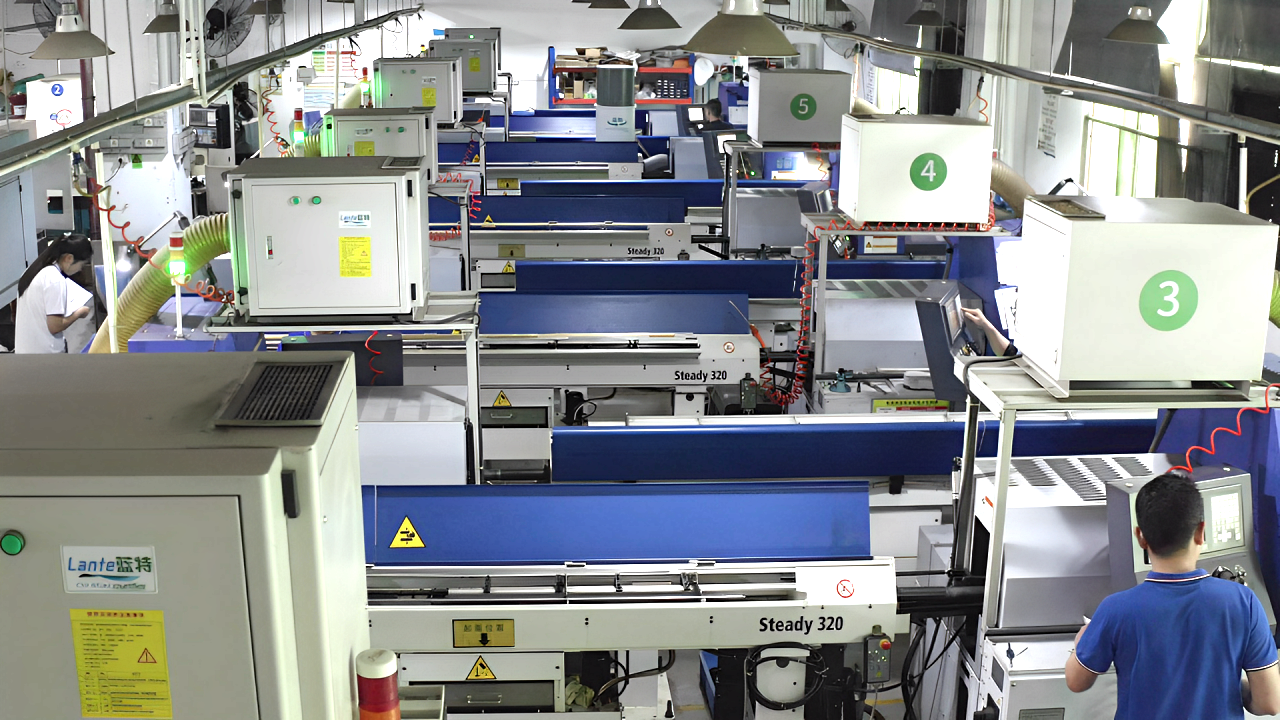
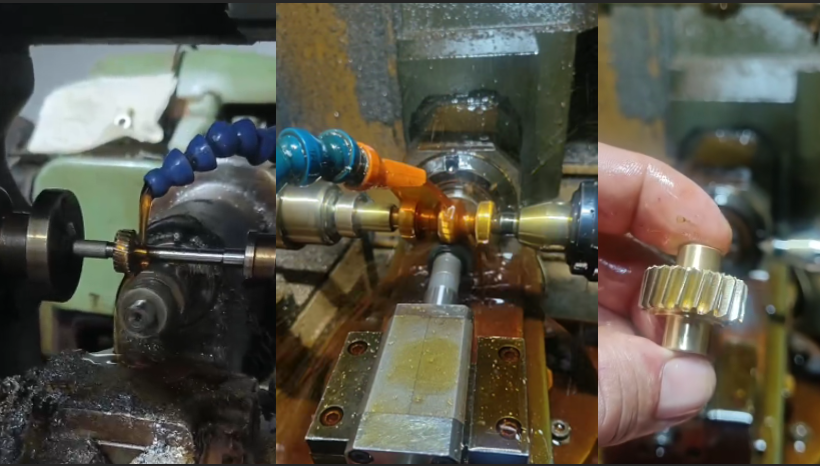
Swiss-type CNC turning supports the bar stock close to the cutting zone. That near-tool support helps control deflection on long, slender or multi-feature small-diameter parts and can complete more features with fewer setups than conventional turning alone.
For OEM and industrial buyers, Swiss machining is less about a machine brand list and more about geometry fit: length-to-diameter ratio, feature density, concentric relationships and repeatability across releases.
When to choose Swiss-type
Select Swiss-type turning when parts are miniature, slender or feature-rich and need stable support near the cutting zone. Typical candidates include precision shafts and pins, adapter fittings, bushings and other custom small precision parts.
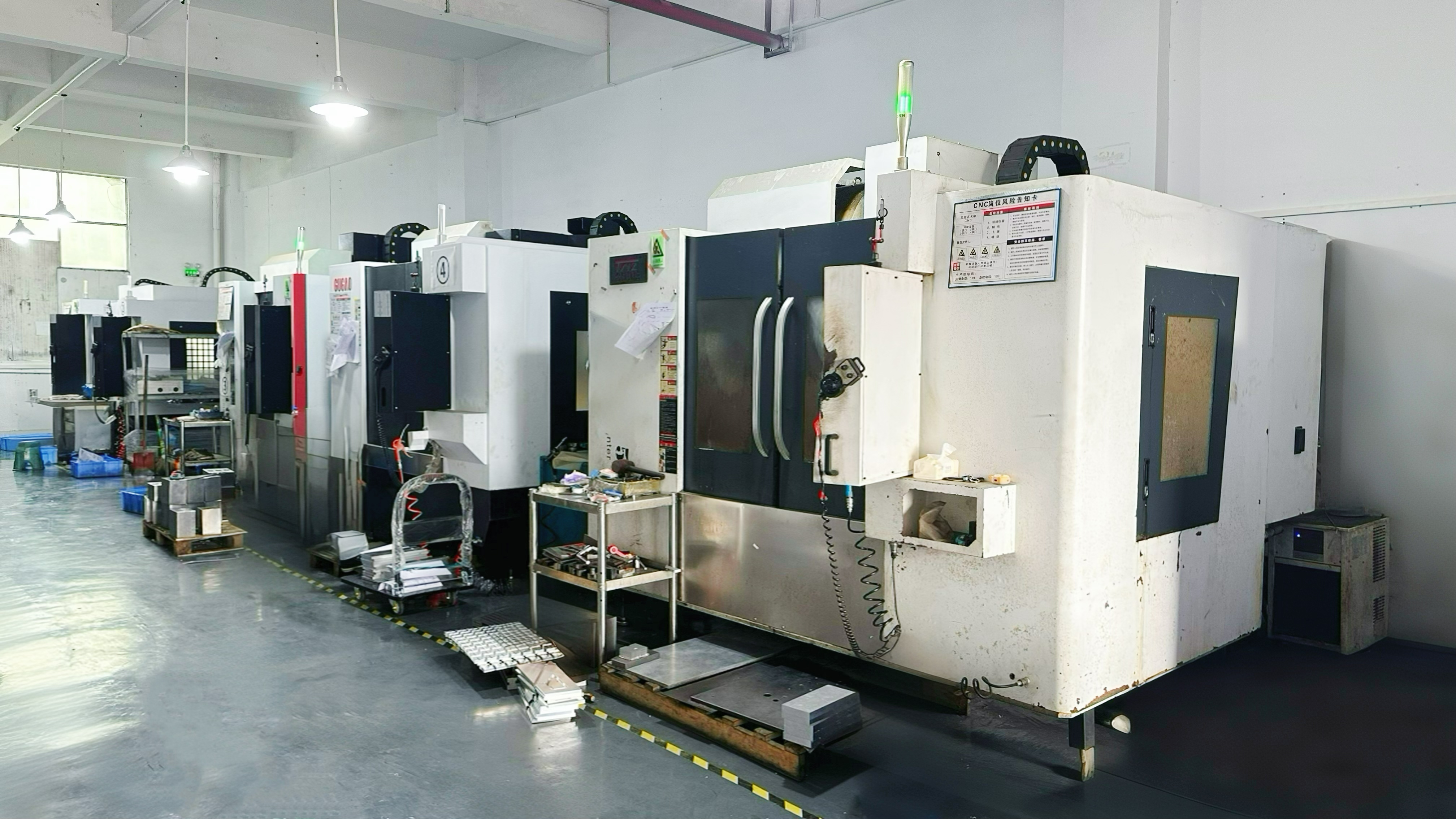
If the part is primarily a larger rotational blank without slender guidance needs, conventional CNC turning may be more efficient. Multi-face pockets and structural features still belong on milling or turn-mill routes.
What to send in an RFQ
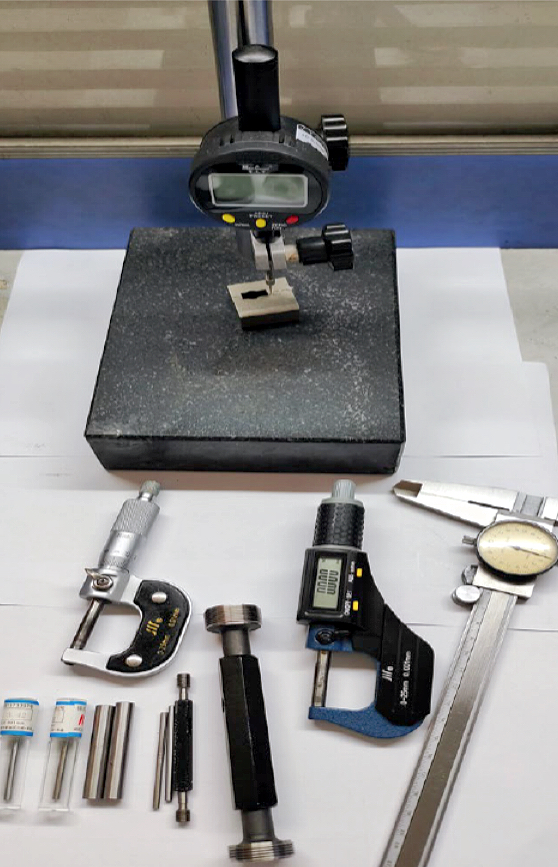
Provide PDF drawings with revision control, STEP/DWG models when available, material and finish notes, quantity or annual volume, and critical tolerance callouts. Mention if secondary operations such as knurling or cross holes are required.
Next steps
Review Swiss-Type CNC Turning and Swiss Turned Components, then request a quote.
Send drawings, material, quantity and inspection requirements. Zhuocheng will review manufacturability and recommend a process route.