
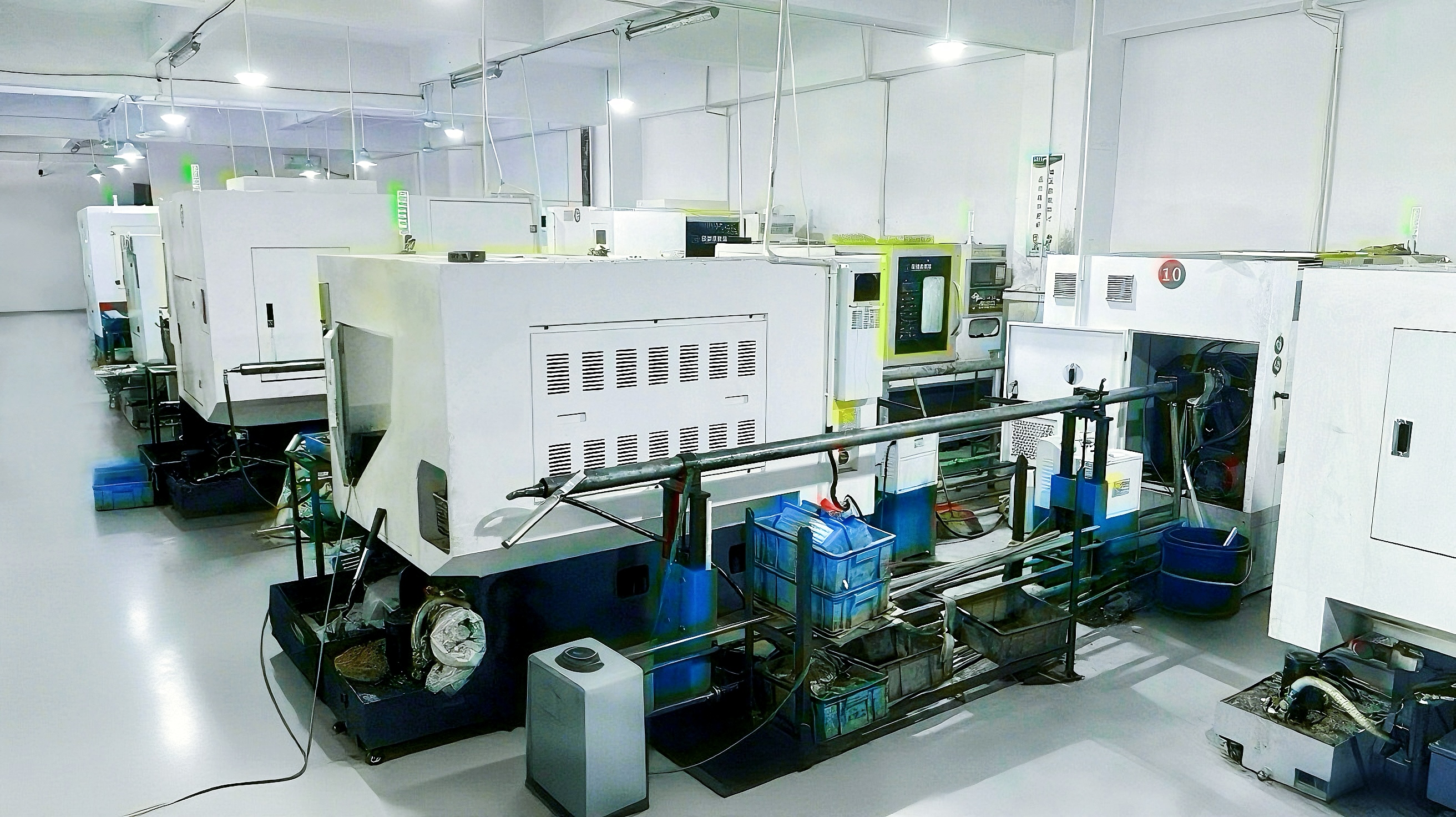
Swiss CNC Machining vs. Conventional CNC Turning
Compare Swiss-type and conventional CNC turning so buyers can choose the right process route before sending drawings for quotation.
Core difference
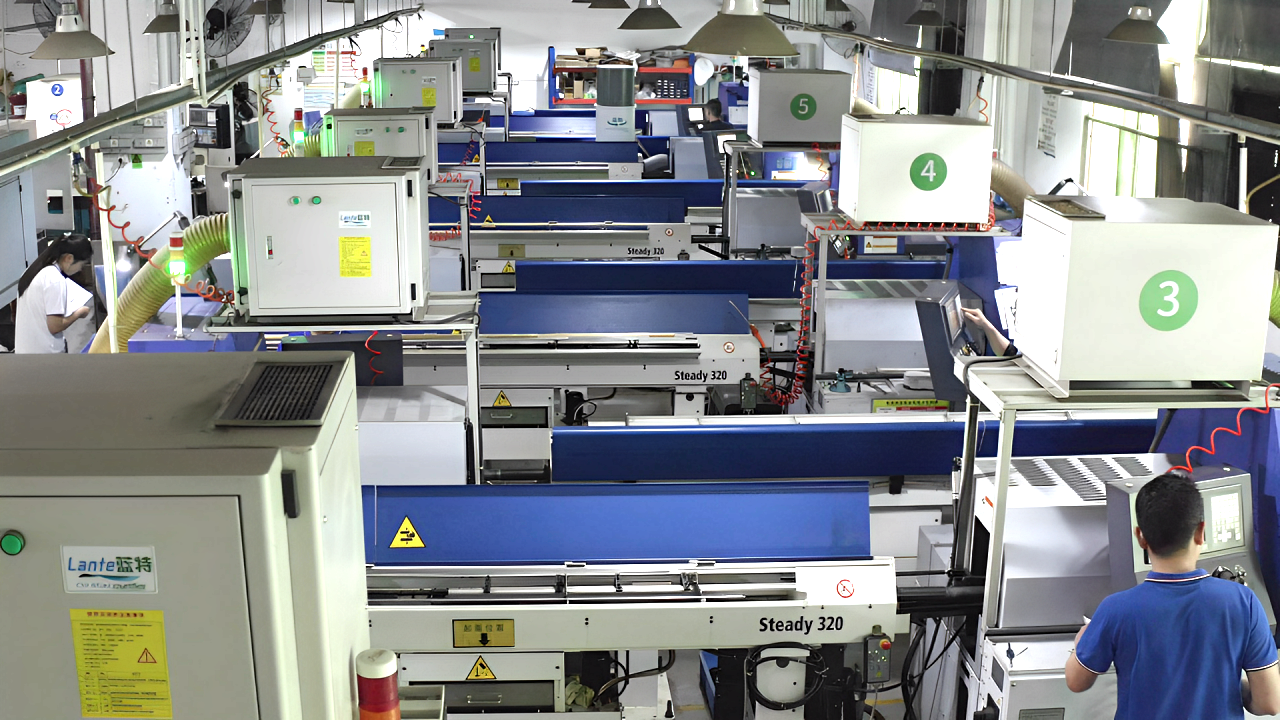
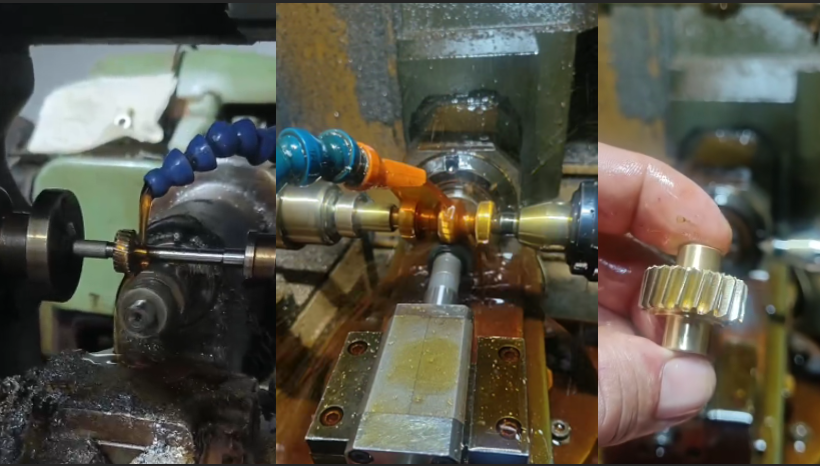
Swiss-type machines guide the bar near the tool, which benefits slender and multi-feature small parts. Conventional CNC turning is often better for larger diameters or simpler rotational geometries that do not need that guidance.
Decision guide
Ask: Is the part long and thin relative to diameter? Are many features stacked along a small axis? Do concentric relationships dominate? If yes, start with Swiss. If the blank is stocky and features are primarily OD/ID/thread, start with conventional turning.
Hybrid programs
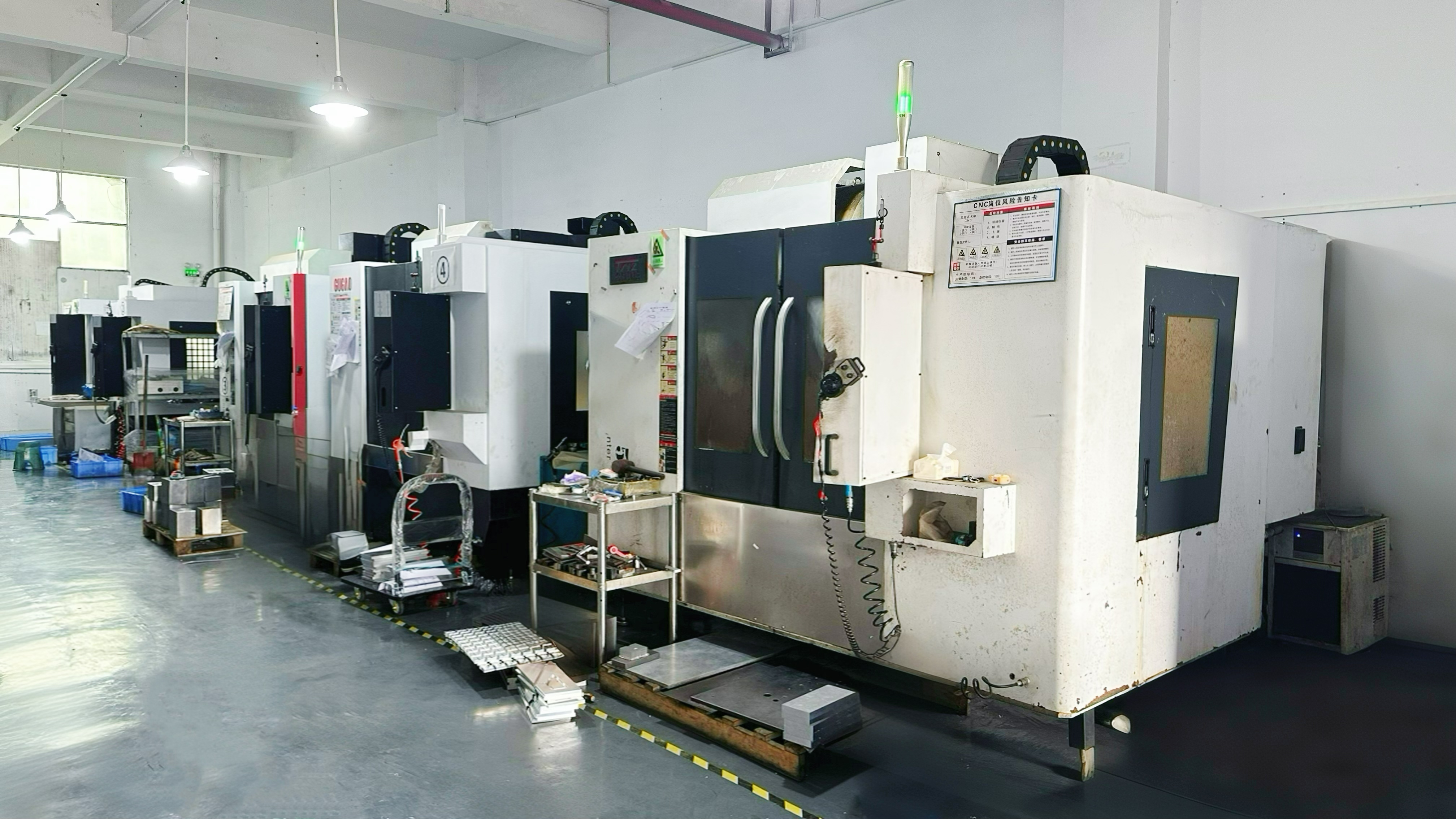
Many assemblies mix Swiss shafts with CNC milled housings or turn-mill adapters. Send the full drawing set so engineering can propose a combined route. See Swiss capability and CNC turning.
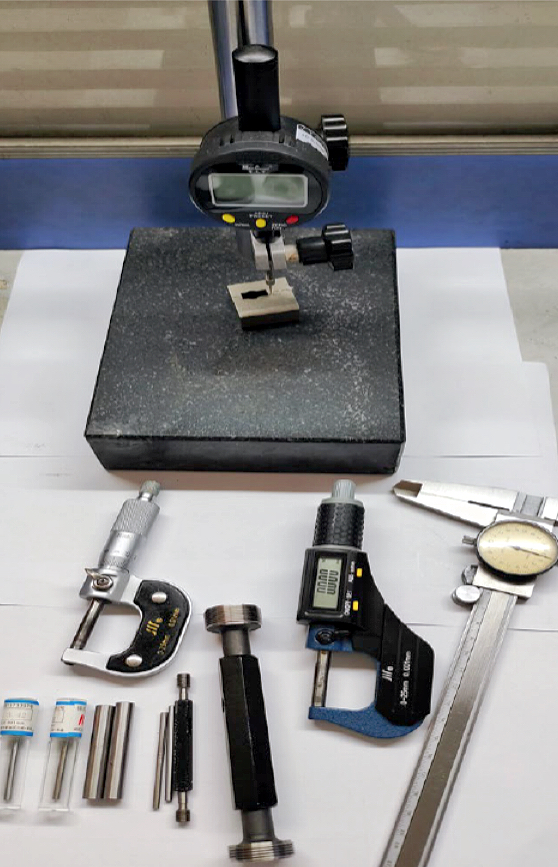
Send drawings, material, quantity and inspection requirements. Zhuocheng will review manufacturability and recommend a process route.